By Mostapha Maazouz · Updated 10 November 2026
It is the first question many American travelers ask us, often before they ask about the Sahara or the price: is Morocco safe for Americans? Our team has welcomed travelers from the United States since 2009, and the honest answer is yes, Morocco is one of the most visited and most relaxed countries in Africa, as long as you travel with the same common sense you would use in any big city.
This guide explains what the U.S. government says, what American travelers actually experience on the ground, and the simple habits that make a trip easy.
What the U.S. State Department says
The U.S. Department of State currently rates Morocco at Level 2, "Exercise increased caution," mainly because of the general risk of terrorism. Level 2 is the same level the State Department gives to many popular European destinations. It is not a warning against travel.
Before you leave, read the latest advisory on travel.state.gov, because levels can change. We also recommend enrolling in the free Smart Traveler Enrollment Program (STEP), so the U.S. Embassy in Rabat and the Consulate General in Casablanca can contact you in an emergency.
How Moroccans welcome Americans
Morocco was the first country in the world to recognize the independence of the United States, in 1777, and the two countries have been friends ever since. The U.S. legation in Tangier is the oldest American diplomatic property in the world.
In daily life this history translates into a warm welcome. Americans are greeted with curiosity and kindness, often with a glass of mint tea and a question about which state you come from. English is spoken more and more by young Moroccans, guides and hotel staff, and our team speaks English.
The real annoyances: hustle, not danger
The problems American travelers meet in Morocco are rarely about safety. They are about insistence: shop owners calling you in, unofficial guides offering to show you the way in the medina, and taxi drivers who forget to turn on the meter.
- A smile and a firm "no, thank you" (or "la, shukran") is enough. You don't need to explain.
- If someone tells you a street is closed or the square is "this way," keep walking with your map or your guide.
- Agree on taxi prices before you get in, or ask your hotel to call one.
- Bargaining in the souks is normal and friendly. Decide your price before you start and walk away with a smile if it is too high.
- Keep your phone and wallet in a front pocket in crowded places like Jemaa el-Fna square in Marrakech.
Advice for American women
Many American women travel in Morocco alone, with friends or with their partner. Comments in the street can happen in the big medinas, but they rarely go further than words. Clothes that cover the shoulders and knees attract less attention and are more respectful in the countryside and in religious places.
Traveling with a private driver and local guides removes most of these situations, because you always have someone from the area with you who knows the town and the people.
From our founder: what American travelers tell us
"American travelers usually ask us about safety, the distances between cities, the state of the roads, the hotels, the food and the desert experience," says Mostapha Maazouz, who founded Oasis Morocco Travel in 2009.
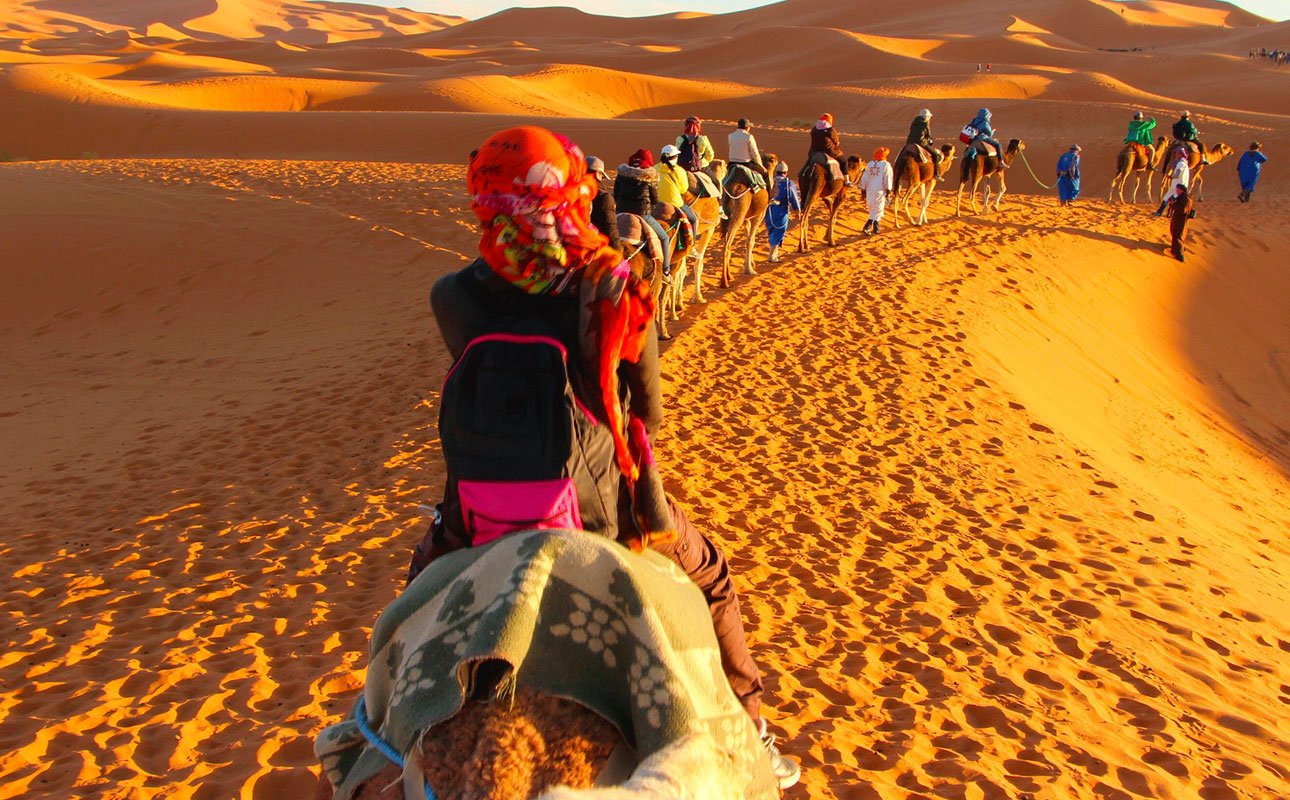
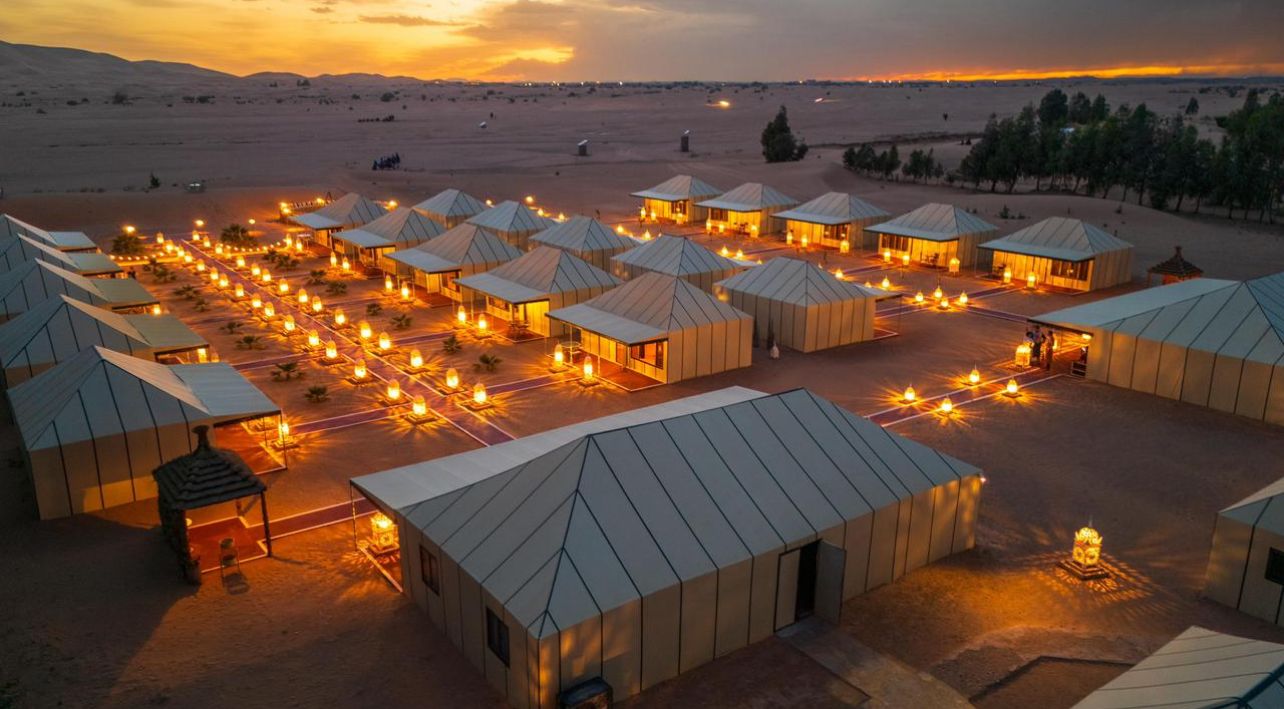
"Some people are worried before they come, especially those who will sleep in the desert for the first time or make a long trip through the desert regions. They worry about the road, about being far from the cities, or even about the camels and the night in the camp. But when they arrive, they see the organization and they relax. They ride a camel, they watch the sunset, and the feeling changes completely. Very often, at the end, they tell us: this was the best experience in Morocco."
"In tourism you always have to be ready for surprises: a problem with the car, a change in the weather, a delayed flight or a change in the program. For us, the most important thing is to stay calm, find the solution quickly and communicate clearly with our guests. Professionalism doesn't only show when everything goes well; it shows even more when something goes wrong and how you handle it."
Roads, the desert and health
Mountain roads like the Tizi n'Tichka pass in the High Atlas are spectacular but winding, and desert tracks need experience. This is the main reason American travelers choose a private driver instead of renting a car.
In the Sahara, always go with local guides, drink plenty of water and protect yourself from the sun. Drink bottled water everywhere, and bring travel insurance that covers medical care abroad, as U.S. health plans usually do not.
Why a private tour makes everything easier
With a private tour you have one driver for the whole trip, local guides in the cities if you wish, hotels and camps chosen in advance, and one team to call on WhatsApp at any time. You don't have to negotiate taxis, find your riad in the medina at night or wonder whether a guide is official. For many American families and first-time visitors, that peace of mind is the best part of the trip.
Frequently asked questions
Is Morocco safe for Americans right now?
Yes, for ordinary tourism. The U.S. State Department rates Morocco at Level 2, "Exercise increased caution." Check travel.state.gov before you travel, because advisory levels can change.
Do Moroccans like Americans?
Yes. Morocco was the first country to recognize the United States in 1777 and the two countries have a long friendship. American visitors are warmly welcomed.
Is Morocco safe for a solo American woman?
Many American women travel in Morocco alone. Expect some comments in busy medinas, dress modestly outside the beach resorts, and consider a private driver and guide for the most comfortable experience.
Should I enroll in STEP before going to Morocco?
Yes, we recommend it. The Smart Traveler Enrollment Program is free and lets the U.S. Embassy contact you in an emergency.