By Mostapha Maazouz · Updated 9 November 2026
Jews have lived in Morocco for more than 2,000 years, and Jewish heritage is part of Moroccan identity: the 2011 Constitution names the Hebrew heritage among the components of the nation. Today the community counts a few thousand people, most of them in Casablanca, but in almost every old city you can still visit the mellah (the Jewish quarter), synagogues and cemeteries, many of them restored.
Here is a short history, the main places to see city by city, and honest advice on travelling to Morocco as a Jewish or Israeli visitor.
A long shared history
Jewish communities lived in Morocco long before Islam arrived, in the cities and in the Berber villages of the Atlas and the south. After the expulsion from Spain in 1492, many Sephardic Jews settled in Fes, Tetouan, Tangier and other cities, bringing their language, music and cuisine.
For centuries Jews and Muslims lived side by side as neighbours, craftsmen and traders. In the 1940s, Morocco had the largest Jewish community in the Muslim world, about 250,000 people. Most families later emigrated to Israel, France and Canada, and around one million Israelis today have Moroccan roots. Many come back to visit the cities and villages of their families.
Fes: the first mellah of Morocco
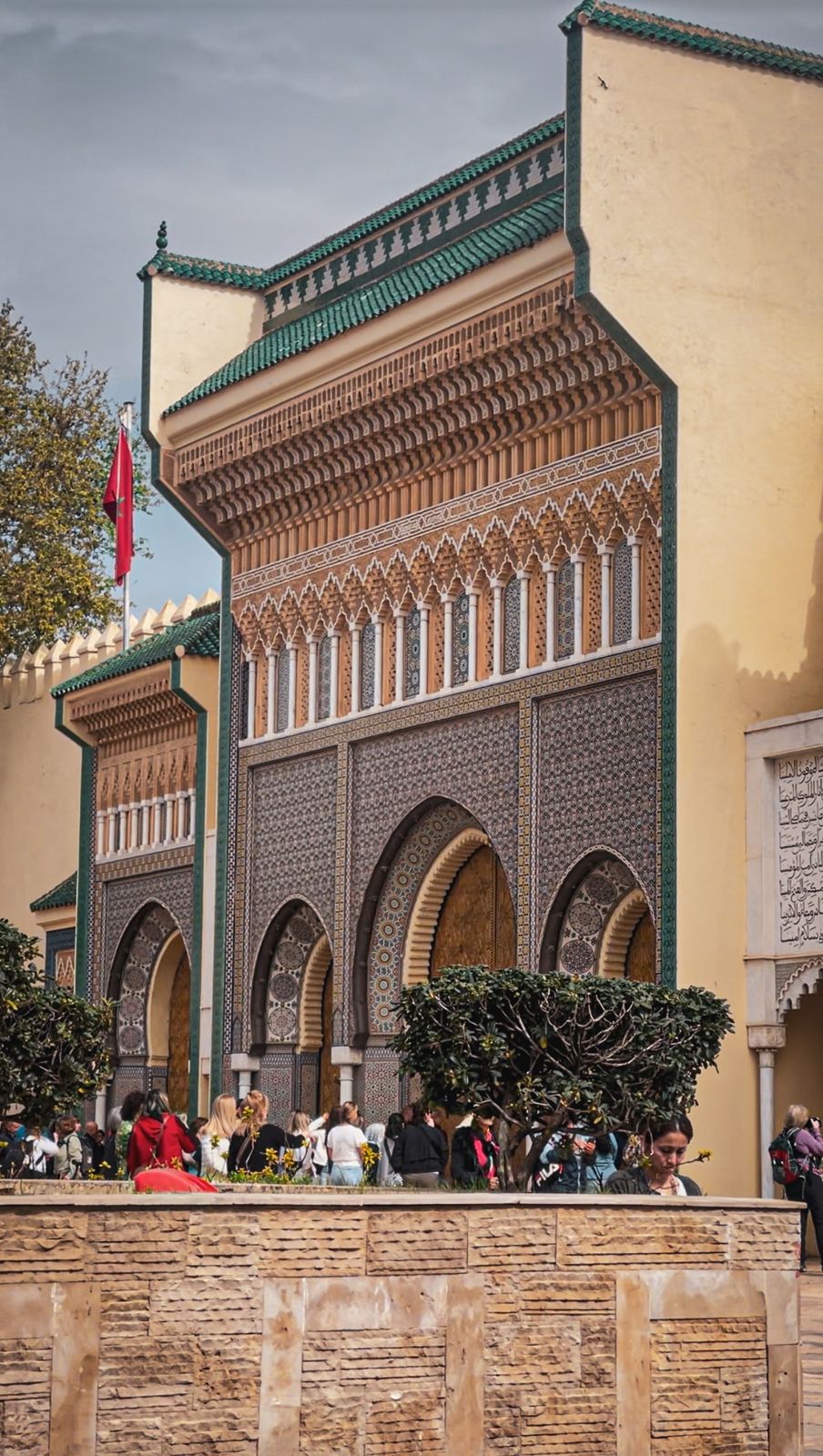
The mellah of Fes, next to the Royal Palace, is the oldest Jewish quarter in Morocco and gave its name to all the others. Visit the Ibn Danan Synagogue, from the 17th century, and the Jewish cemetery with its white tombs, which has around 13,000 graves and was restored by the state. A licensed guide brings the stories of the houses with wooden balconies to life.
Marrakech: the Lazama Synagogue and the Miaara cemetery
In the mellah of Marrakech, near the Bahia Palace, the Lazama Synagogue is still used by the community and welcomes visitors. Nearby, the Miaara cemetery is one of the largest Jewish cemeteries in Morocco. The Moroccan Culinary Arts Museum in Marrakech also has a room about Moroccan Jewish cuisine.
Essaouira: Bayt Dakira, the House of Memory
In the 19th century, Jews made up a large part of the population of Essaouira, and many traders of the port were Jewish. Bayt Dakira, the House of Memory, opened in 2020 in the old Simon Attias Synagogue and tells the story of Jewish and Muslim life together in the city. Walk through the mellah and the old synagogues of the medina.
Casablanca: the living community
Casablanca is home to most of the Jewish community of Morocco today, with active synagogues and kosher restaurants. The Museum of Moroccan Judaism, created in 1997, is the first museum in the Arab world dedicated to Jewish heritage; it shows religious objects, clothes and tombstones from the south of Morocco.
The south and the Atlas
Jewish communities also lived in the oases and the Berber villages of the south. You can see restored mellahs in Tinghir near the Todra Gorge and traces of Jewish life in the Draa Valley and the Tafilalet, around Rissani, where Rabbi Israel Abuhatzeira, the Baba Sali, was born. In the north, the hiloula of Rabbi Amram Ben Diwan near Ouezzane is one of the pilgrimages that bring Moroccan Jews from all over the world each year.
Is Morocco safe for Jewish and Israeli travellers?
Many Jewish travellers, including Israelis of Moroccan origin, visit Morocco every year and are welcomed warmly, especially at the heritage sites, which are protected and restored by the state. Flight connections change often, so check the current routes with your airline before you book.
At the same time, there have been demonstrations in Morocco about relations with Israel, and Israel's travel warning for Morocco is at level 3 (increased caution) in 2026. Before you book, read the latest travel advice of your own government. On the ground, a private tour with a local team is the most comfortable way to travel: your driver and guide know the places, and you decide the rhythm and the visits.
Practical tips for a Jewish heritage trip
A few things make the trip easier:
- Kosher restaurants exist in Casablanca and Marrakech; tell us your needs and we plan the meals around them
- Tell us if you keep Shabbat: we plan no driving from Friday evening to Saturday evening
- Some synagogues and cemeteries have opening hours or need a call before the visit; we arrange it
- A local guide who knows the history of the mellah makes the visit much richer
- If your family comes from a village, tell us its name: we can include it in the route
Frequently asked questions
Where are the main Jewish heritage sites in Morocco?
In the mellahs of Fes, Marrakech and Essaouira, at the Museum of Moroccan Judaism in Casablanca, and in the restored mellahs and cemeteries of the south, such as Tinghir.
Are there still Jews living in Morocco?
Yes. The community counts a few thousand people, most of them in Casablanca, with synagogues, schools and kosher restaurants.
Can you organise a Jewish heritage tour or a roots trip?
Yes. Tell us the cities or the family village you want to see, and we plan a private route with local guides.